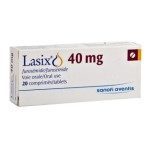
Are you wondering if your dog can take Lasix? You aren’t alone! Many owners with older canines inquire about this drug (generic name Furosemide). Here’s the deal: Vets do, in fact, utilize this loop diuretic. It tends to be super Read More …

Are you wondering if your dog can take Lasix? You aren’t alone! Many owners with older canines inquire about this drug (generic name Furosemide). Here’s the deal: Vets do, in fact, utilize this loop diuretic. It tends to be super Read More …

Lots of people take baby aspirin as part of a preventative health regimen. Does such a strategy make sense for dogs too? That’s a great question! Here’s what you should know: Low-dose baby aspirin can help your dog with short-term Read More …

Antibiotics are a very common treatment for both people and dogs. Still, there’s a lot of uncertainty about their use. For an infection or most other medical problems, not knowing what to do is normal. Obviously, your dog should be Read More …

Zyrtec is a possibility if your dog has allergies. It can be especially helpful for atopic dermatitis. All sorts of itchiness and irritations of the skin can be alleviated with Zyrtec. The active drug, Cetirizine, can be used off-label. It’s Read More …

Prednisone is a synthetic corticosteroid that vets prescribe to dogs for various illnesses. Sometimes this drug is a life saver. Dogs with certain systemic diseases or other chronic conditions may greatly benefit from taking Prednisone. That said, administering this strong Read More …

Straight to the point: Claritin has higher risks for dogs compared to human use. Nevertheless, the regular version can be carefully given to animals. Of course, your vet should be involved before any antihistamine is used on your dog. It is Read More …

Learn why Viagra can be a life saver for some dogs. Pulmonary hypertension usually is not a problem for pets, but when it is Viagra can help!

Learn why Sudafed is too risky for dogs. The medication can cause serious side effects due to Pseudoephedrine’s (the active ingredient) toxicity.

Dulcolax is an over-the-counter stimulant laxative. The product’s primary active ingredient is an organic compound that works great for constipation. But what about for canines? Here’s the deal: Vets do prescribe Dulcolax for dogs. However, it could also be dangerous. Read More …